
Partners in Space
Portugal licenses its first-ever spaceport following UT-led feasibility study.
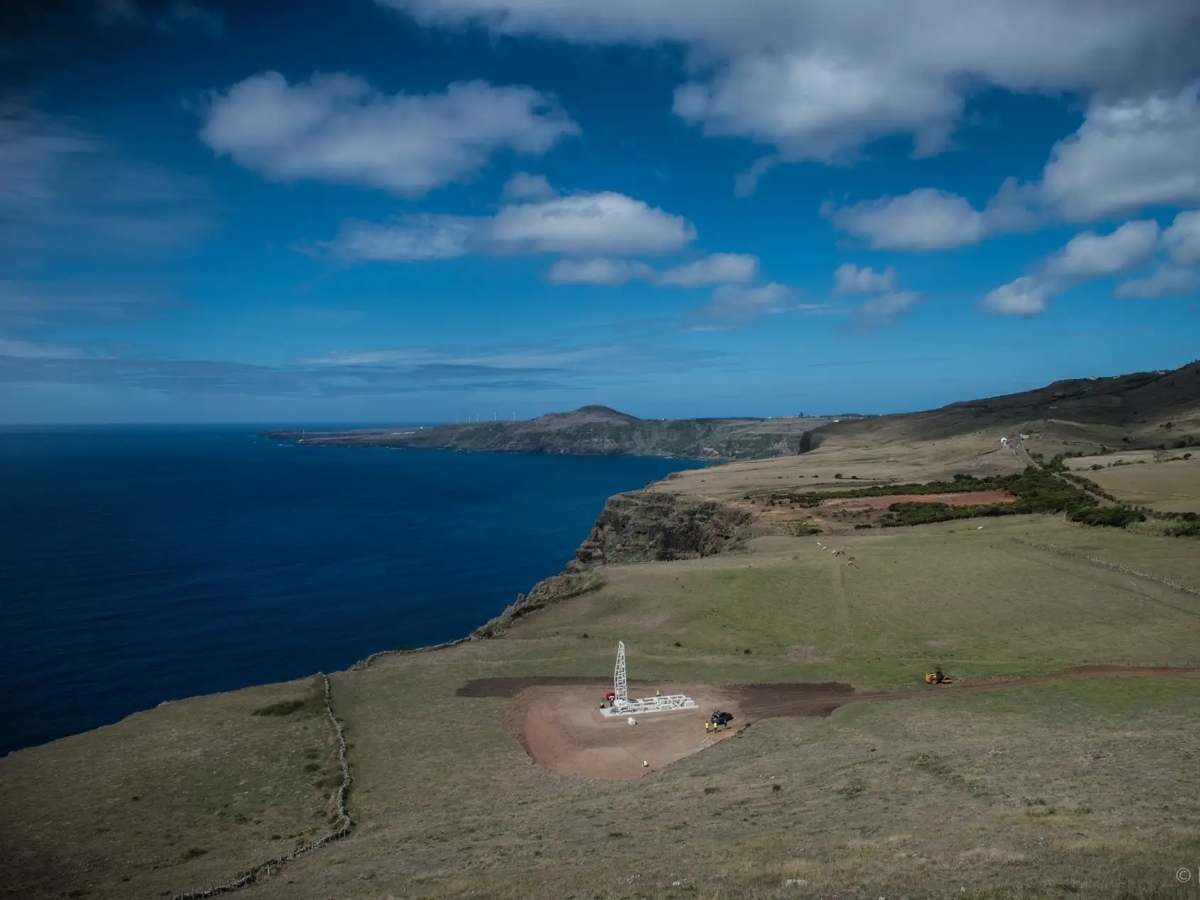
The Malbusca launch site in Portugal.
A historic moment in Portugal’s space history has Longhorn finger(hoof)prints all over it.
After nearly a decade of planning, the first space infrastructure in Portugal was officially licensed for operation in late 2025. This monumental development received key support from the UT Austin Portugal Program, Portugal’s long-standing scientific joint venture with UT, in its early phases.
From Recommendation to Reality
In 2017, the Portuguese government commissioned a team of researchers from UT Austin and The University of Texas at El Paso to lead a feasibility study for a spaceport in the country’s Azores Islands. This past August, Portugal’s National Space Authority (ANACOM) officially granted the Portuguese Atlantic Spaceport Consortium (ASC) a license to operate space activities in Malbusca, located on the southernmost island of Santa Maria. It will be the first space infrastructure to be operated on national territory, marking a major development in the country’s path to autonomy in space exploration.
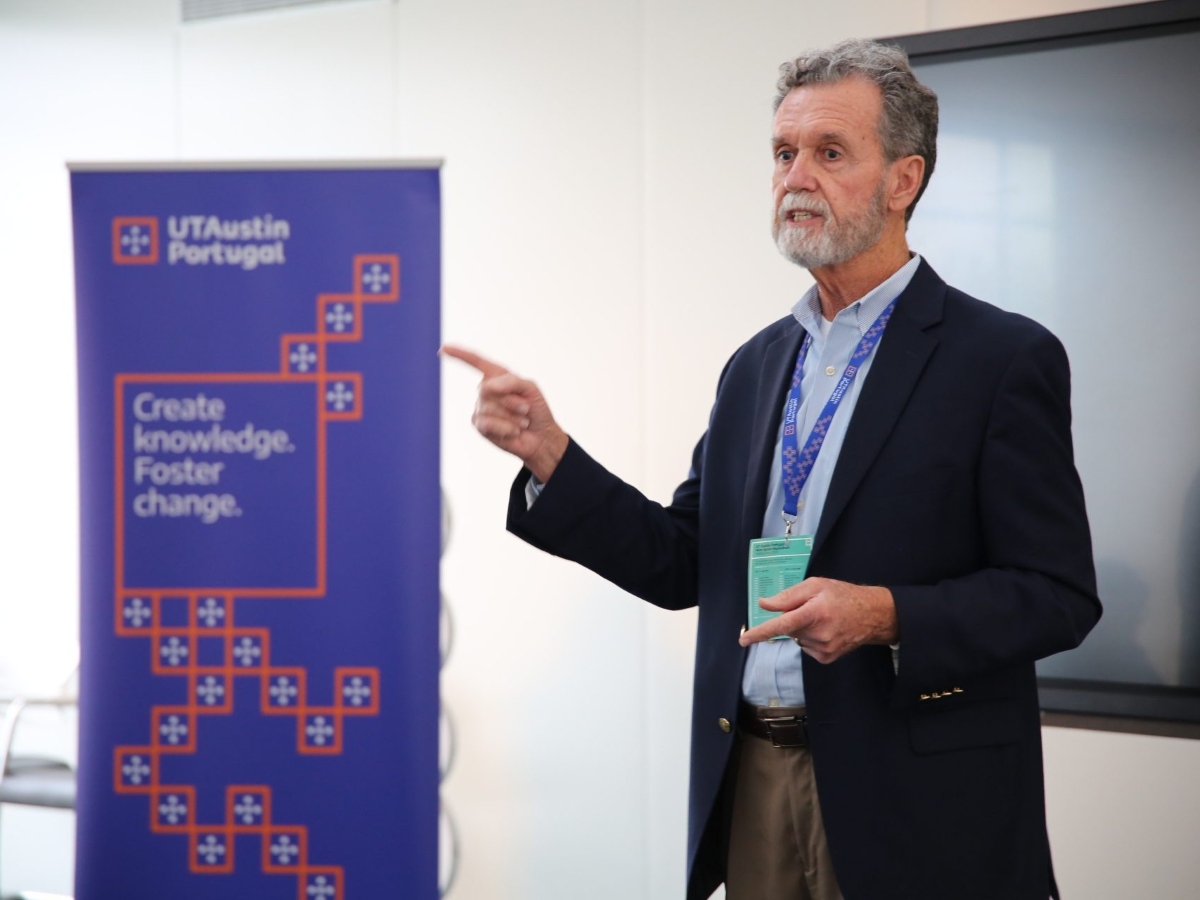
“There is an amazing amount of talent and energy in Portugal. Exploration is a deeply rooted trait within the people of Portugal; so it is not surprising that they chose to develop the launch facility and the attendant infrastructure needed to further advance that defining pursuit,” said Burke Fort, program manager at The University of Texas at Austin’s Center for Space Research and leader of the 2017 study. “The imagination and drive of my Portuguese colleagues, combined with the richness of their amazing universities, is something I cherish and will never forget.”
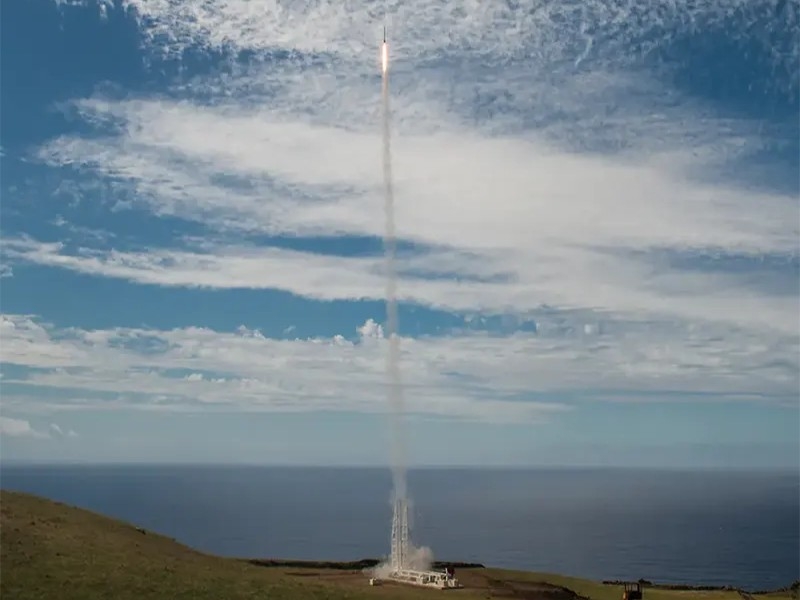
The official licensing follows two successful test suborbital launches of GAMA vehicles from the site in the fall of 2024. While larger, orbital missions have called sites across Europe home for some time, the continent has recognized a need for infrastructure to support medium-scale commercial and scientific missions. The Malbusca launch center’s ability to fill the infrastructure gap positions Portugal at the forefront of a rapidly evolving global space economy that increasingly encourages space innovation through commercialization.
The Assessment
In 2017, Burke Fort was enjoying lunch with Byron Tapley, the center’s director at the time, and another colleague when he was asked to lead the feasibility study.
Shortly after accepting the opportunity of a lifetime over a burger and fries, Fort and his colleagues traveled more than 4,700 miles to inspect potential launch sites across four islands in the Azores. After eight weeks of assessing the feasibility of each location for both public and private space ventures, the group picked Santa Maria as the optimal location.
“Malbusca is right on the edge of the island, and it’s particularly suitable for launching suborbital and very light orbital rockets in a southerly direction,” said Fort. “Those qualities made it attractive from a market point of view as well, since the type of orbit that a prospective customer would want is very specific. Some want to go around the poles, others want to go around the equator, most want to go in between.”
Malbusca Launch Center
In addition to the island’s access to prime orbital trajectories, Santa Maria, which is situated around roughly 900 miles from the western coast of Portugal, experiences a low frequency of air and maritime traffic, another positive attribute for launch safety and recovery efforts.
Fort’s involvement in Portugal’s space aspirations continued past the initial study. In 2019, Fort led a space hackathon through the UT Austin Portugal Program, inviting Portuguese thought leaders and field experts to Austin to compare strengths in the space ecosystem and identify synergies to initiate collaborative efforts.
Recently renewed for a fourth phase, the program will continue to prioritize space-earth technologies as a core research focus. Just this January, Brandon Jones, an associate professor of aerospace engineering at UT, traveled to Lisbon to guest lecture for the Master of Business Engineering in Space Systems program at the Instituto Superior Técnico, delivering a seminar on orbit determination and estimation. His visit, supported by the program, marks the genesis of the next chapter of impactful space system knowledge exchange between Texas Engineers and their colleagues across the pond.
Portugal Joins the Space Race
While Portugal has been a member of the European Space Agency for 25 years, the country’s space endeavors quickly evolved following the 2017 feasibility assessment. In 2019, Portugal established a national space agency, Portugal Space, to lead the charge in advancing the country’s position in the European space sector alongside ANACOM.
A few years later, the Atlantic Spaceport Consortium, a private partnership between OPTIMAL Structural Solutions and Ilex Space, proposed ANACOM with a license for the operation of Portugal’s first commercial spaceport on the island of Santa Maria, leading to the aforementioned proof-of-concept testing in 2024.
The spaceport licensure stems from the country’s Space 2030 strategy, which aims to position Portugal at the forefront of the global space sector. The strategy is rooted in the goal of “Space Democratization” as Portugal believes space activities contribute to beneficial economic impact across industry sectors, both public and private.
Thanks to the launch center’s advantageous location and Portugal’s legal framework, the sky is not the limit for future operations coming out of the Azores spaceport, which ASC intends to operate as a flexible gateway for use by multiple vendors. After a second license is secured, granting permission to run specific missions, the ASC is hopeful to begin suborbital flights early this year, with plans to expand to larger, orbital missions in the coming years.