
STEM Girl Day Started with 92 Participants. Now, It Serves 10,000+ Kids a Year
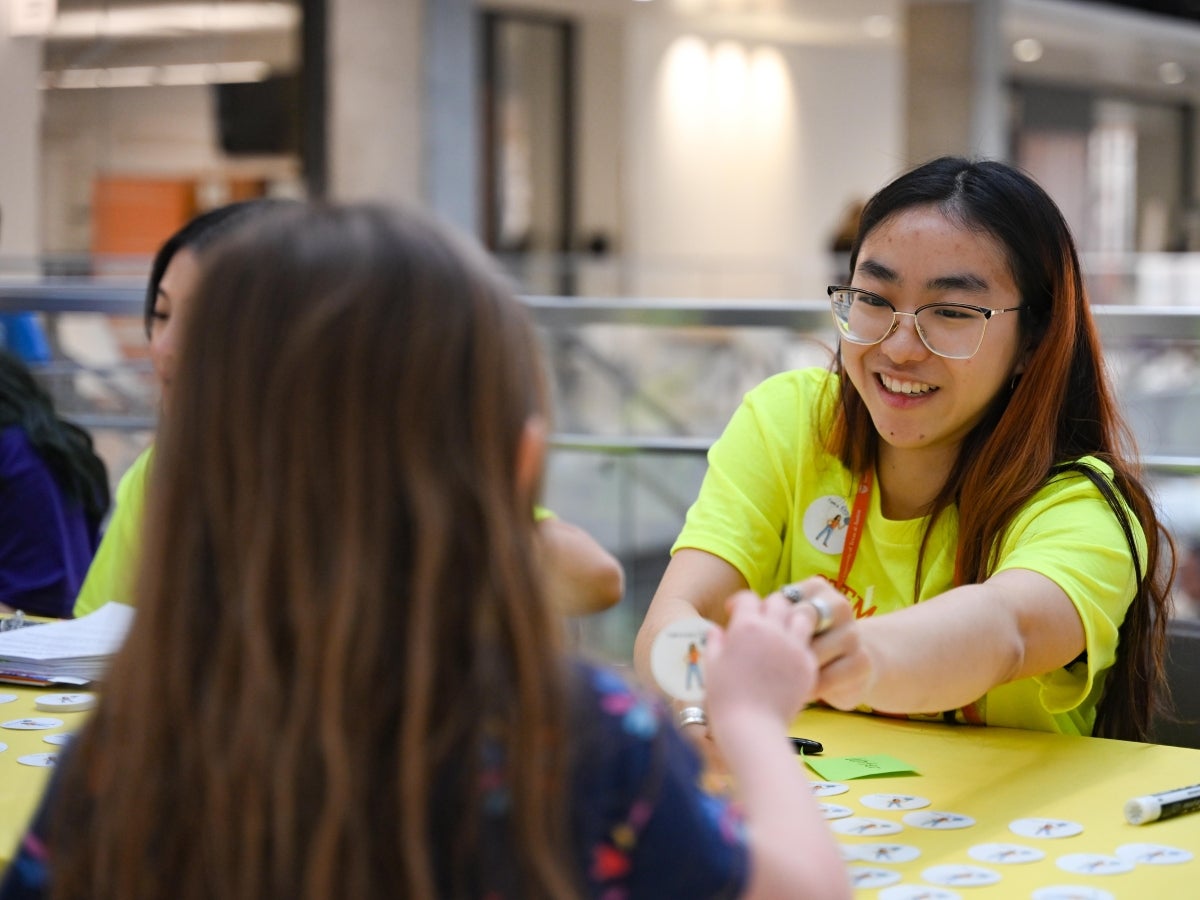
A former Girl Day camper, Estella Zhao became a Texas Engineer and returned to the event as a crew member to help future generations of scientists and engineers.
When you were a kid, did you ever want to launch a water balloon with a trebuchet? Or make art with binary code? Or look for pulsars through a telescope? This dream field trip is real, and it’s called STEM Girl Day at The University of Texas at Austin, presented by the Women in STEM (WiSTEM).
What began in 2002 as Introduce a Girl to Engineering Day, has since grown in reach and impact. The annual February event, now in its 25th year, is open to all kids, with more than 10,000 coming every year. The event has become such a fixture that kids who participated in the early years are returning as STEM students at UT and becoming crew members to help the next generation make great memories.
“As a kid I really loved just being on campus and learning about random things and getting to interact with them,” said Estella Zhao, now a fourth-year student in electrical and computer engineering.
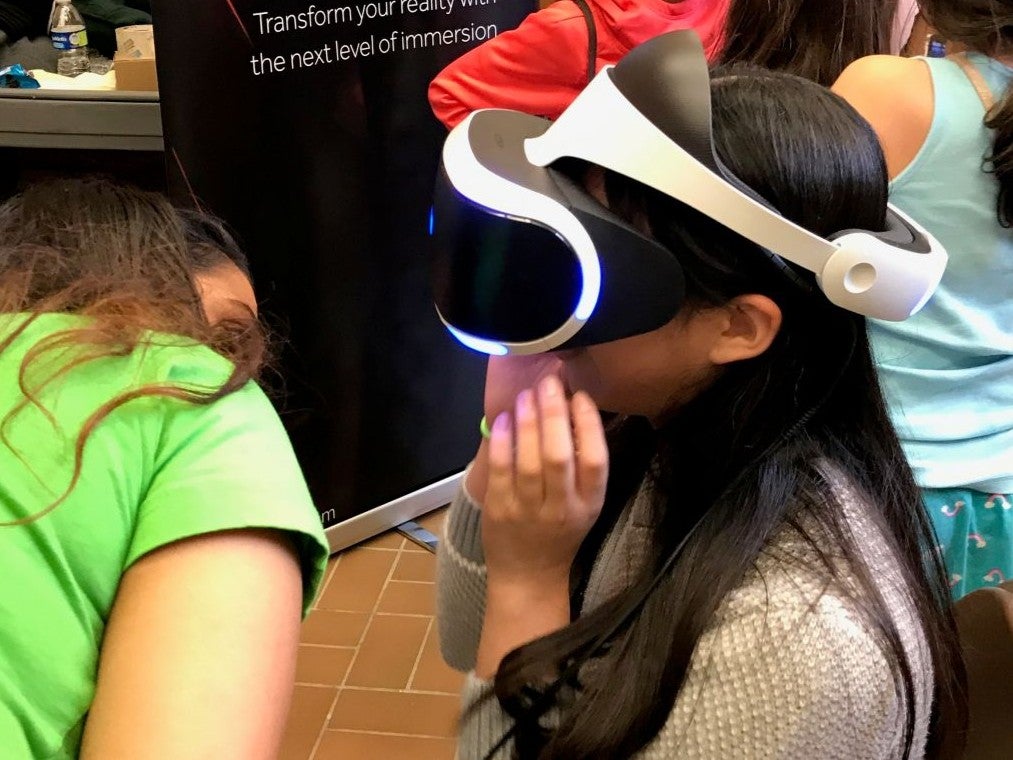
Estella Zhao, as a Girl Day camper, tries out a VR headset.
Zhao attended Girl Day while in middle school, and this year presented as a WiSTEM crew member. She remembers looking through the telescope from and interacting with the classic non-Newtonian fluid known as Oobleck.
STEM Girl Day is open to all K-8th graders as a pathway to expose students to science and engineering early. It has served more than 100,000 kids throughout its history.
Booths are focused on hands-on activities that hosts, either campus organizations or corporate sponsors, can use to engage kids.
“I wanted to be a crew member because of these previous experiences, which include working with WiSTEM over the summer,” Zhao said over email.
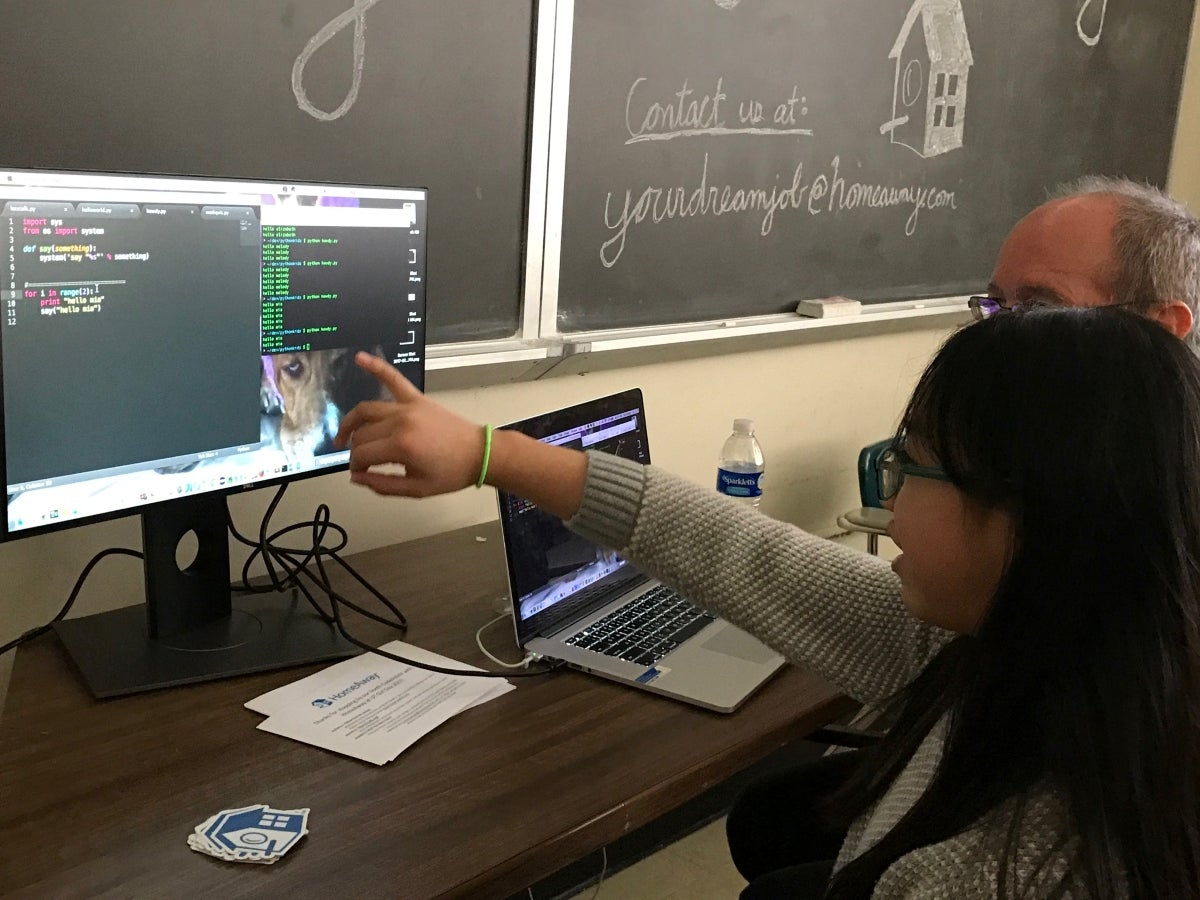
Zhao was the event coordinator for the Quantum Collective her first year at UT and pushed the organization to get involved with WiSTEM. At Girl Day, Zhao and other crew members presented an introduction to quantum computing, including on superpositions and quantum interference.
“It was really, really rewarding to explain things to the participants and see how quickly they picked things up and how curious they were.”
In the future, she hopes to work in the semiconductor industry as an electrical engineer.
For future attendees (and scientists), “I think my advice to them would be stay curious and embrace failure.”
Next year, STEM Girl Day will host more free hands-on activities on February 27, 2027.