Bachelor of Science in Materials Science and Engineering
Engineer the Materials Powering the Future
From computer chips and batteries to medical devices and spacecraft, new technologies begin with new materials.
If you’ve ever wondered how batteries can last longer, why some materials melt, yet others survive extreme heat, or how we could create faster computer chips, materials science and engineering might be your field.
The Bachelor of Science in Materials Science and Engineering at The University of Texas at Austin prepares students to design, discover and optimize the materials that shape modern life.
Why Materials Science and Engineering?
of Tech Innovations Need New or Improved Materials
Median Starting Salary for Materials Engineers
Best Undergrad Engineering Programs in the Nation
Materials science and engineering is an interdisciplinary field that spans physics, chemistry and engineering. A materials scientist’s skill set includes hands-on expertise in materials synthesis, characterization and modeling, with deep knowledge of the phenomena that underlie materials properties.
Nearly every major industry is facing growing demand for engineers who understand advanced materials and how to use them to solve complex tech challenges. Materials engineers drive innovation in:
- Artificial intelligence tools that help engineers discover new materials
- Faster and more powerful computer chips
- Lighter, stronger materials for aerospace and transportation
- New materials for medicine and health care
- Smarter batteries and clean energy technologies
As industries race to develop faster, lighter, stronger, more sustainable and more intelligent tech, materials science and engineering has become one of the most important and rapidly evolving fields in engineering.
Why UT Austin?
UT Austin already has leading faculty and research programs in materials, including the Texas Materials Institute (TMI). This new degree brings those strengths and collaborations together into a dedicated undergraduate experience in a welcoming community of problem-solvers, makers and innovators.
The University of Texas at Austin is launching a brand new undergraduate program in Materials Science and Engineering in the Cockrell School of Engineering.
Students will learn from researchers whose work shapes everyday life — including semiconductors, advanced manufacturing, energy systems and next-generation materials.
Best of all, students study in one of the country’s fastest-growing technology hubs, Austin, TX. Along the way, they build the knowledge and practical skills to help shape the future of technology and engineering.
What You’ll Learn
Materials science combines engineering, chemistry and physics while learning how materials are designed, tested and improved for real-world use.
- Study metals, ceramics, polymers and composites
- Learn how materials respond to heat, electricity, light and force
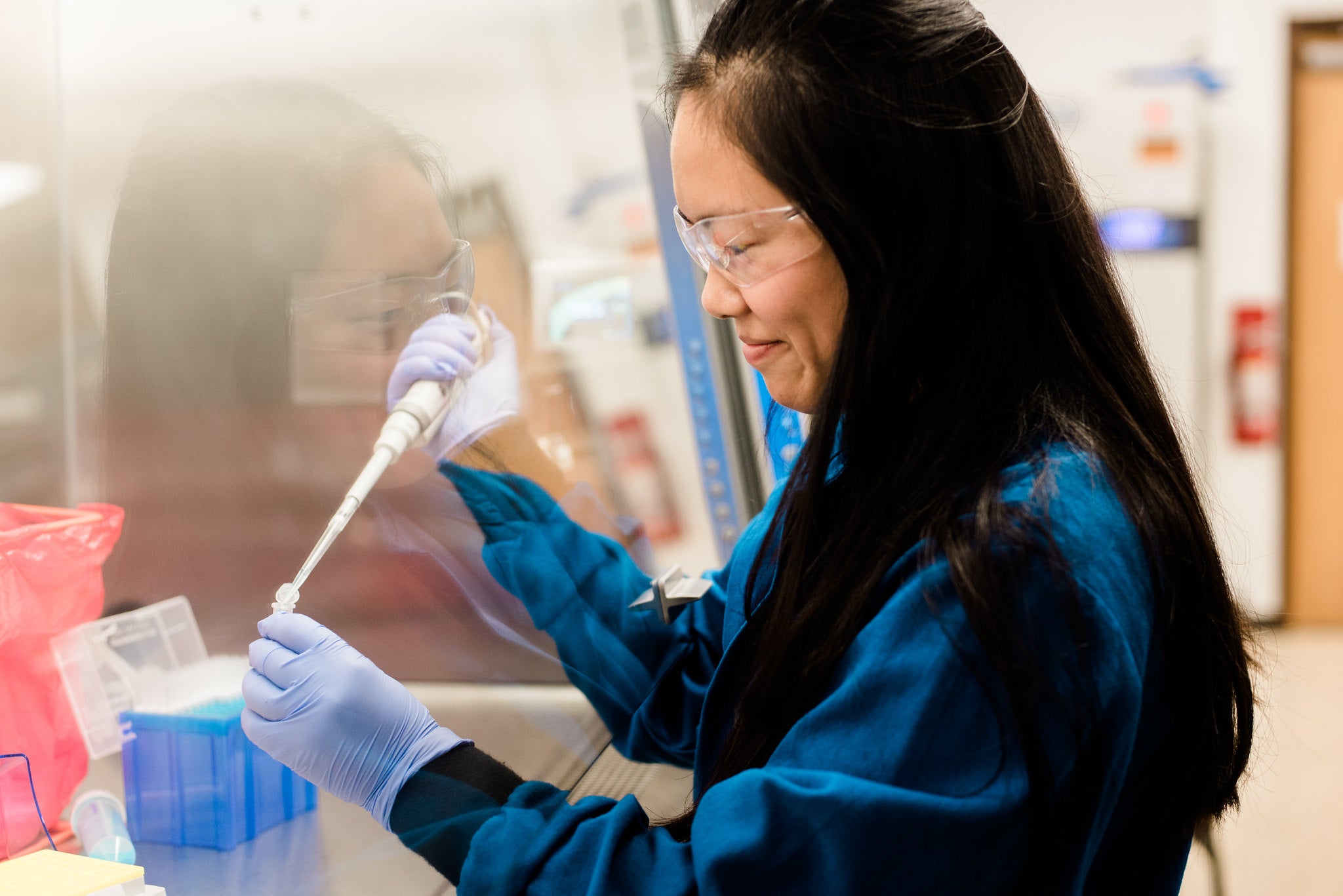
- Gain hands-on laboratory experience
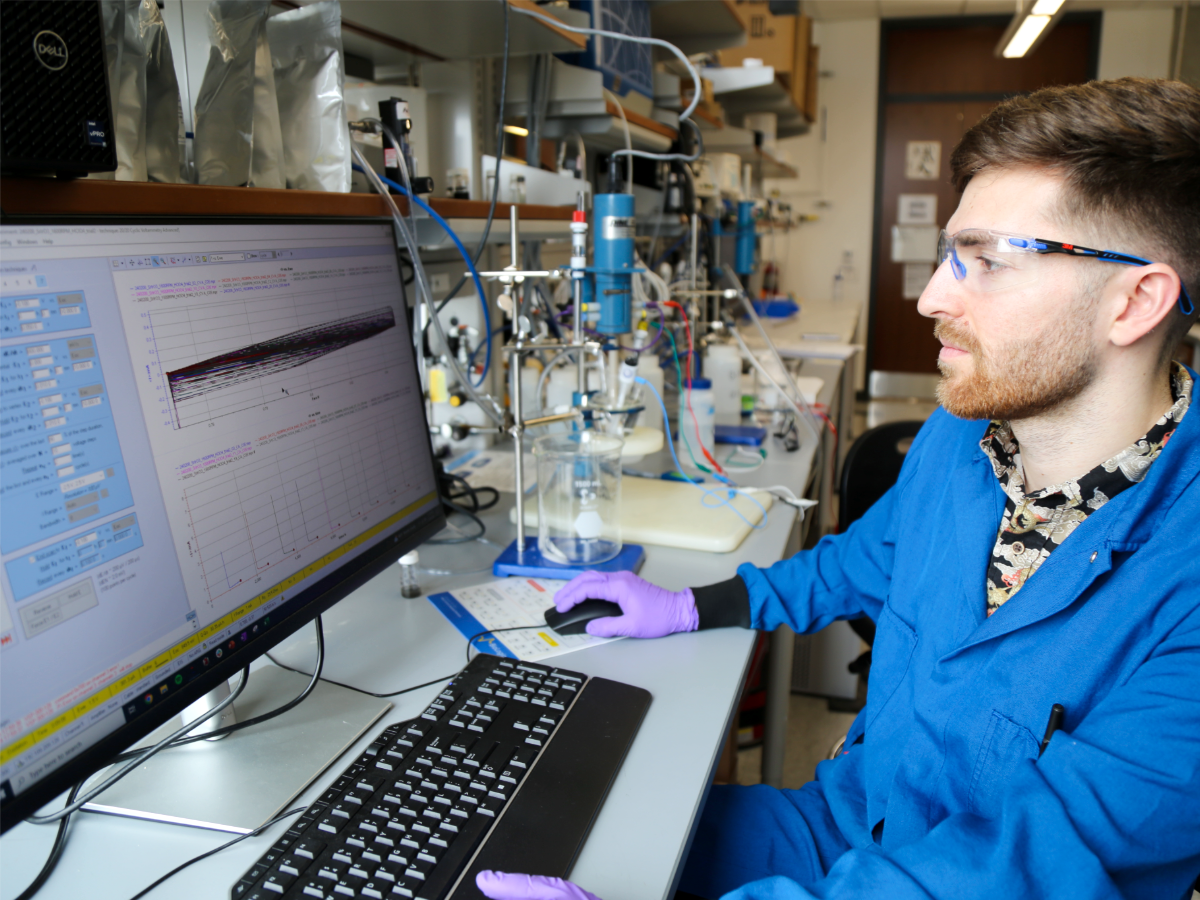
- Use computing and AI tools to help design and understand new materials
- Complete a real-world engineering design project
Designed for Students Who Want to Build What’s Next
This program is designed for ambitious students who are excited by discovery, innovation and solving complex technological problems.
Students who thrive in Materials Science and Engineering are often interested in:
- Physics and chemistry
- Engineering design
- Emerging technologies
- Research and experimentation
- Using technology and data to solve problems
- Building more sustainable technologies
- Understanding how materials work at the smallest scale
Explore Career Paths Before You Graduate
The program’s Career Gateway Electives offer students the flexibility to explore special interests and emerging industries while building depth in selected areas.
Tailor your upper-level electives and technical focus areas to learn more about:
- Artificial intelligence in materials discovery
- Electronic and quantum materials
- Polymers and biomaterials
- Structural alloys and composites
- Sustainable materials and energy systems
Learn Through Research, Design and Discovery
From the first year, experience materials science and engineering through hands-on learning and exposure to faculty research.
In their last year, students work in teams on a capstone design project. Capstone design projects are sponsored by leading companies in the field and give students the opportunity to solve a real engineering challenge before they graduate.
Careers in Materials Science and Engineering
Materials engineers work in national labs, non-profits and nearly every advanced technology sector, including:
- Artificial intelligence and advanced computing
- Aerospace and defense
- Battery and energy companies
- Medical technology and biomedical devices
- Oil and gas industry
- Research and product development
- Semiconductor and chip manufacturing
As well as some of the most exciting companies in the field, including:
- Apple
- Applied Materials
- Chevron
- Exxon
- General Motors
- Intel
- Lam Research
- Lucid Motors
- Tesla
- Tokyo Electron
- 6K Energy